
Struggling to Get a Good Night’s Sleep? Here Are 5 Tips to Help!
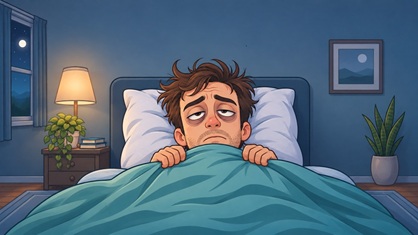 Struggling to adjust to the recent time change? Having trouble falling asleep in general? Worse yet, do you fall asleep, only to wake up an hour later feeling completely awake?
You’re not alone.
Sleep difficulties are incredibly common, and the consequences go far beyond feeling tired the next morning. Poor sleep can affect your work performance, mood, and overall physical health.
Research published in the Journal of Neuroscience in 2019 also found that sleep deprivation can increase pain sensitivity and alter activity in brain regions involved in processing pain. In other words, poor sleep can make your aches and pains feel worse—even without a new injury or a worsening of the underlying problem. For readers with degenerative disc disease, this guide explains other reasons why DDD-related pain can come and go.
So, what can you do to give yourself the best chance at a restful night’s sleep?
Here are 5 tips to improve your sleep quality:
1. Sleep Schedule
Consistency Is Key: Try going to bed and waking up at approximately the same time every day, including weekends. A consistent schedule helps regulate your internal clock and supports better sleep quality.
Create a Bedtime Routine: Give your body time to wind down before bed. Reading, gentle stretching, or practising relaxation techniques can help signal that it’s time to sleep.
2. Screen Time & Lighting
Screen Time: Try minimizing phone, tablet, computer, and television use 1–2 hours before bedtime. Bright light and stimulating content can make it harder for your brain to wind down.
Ambient Lighting: Dim the lights around your home in the evening. Choose warmer, yellow-toned lighting instead of bright, blue-rich light. Blackout curtains can also help create a darker sleeping environment.
Morning Sunlight: Getting outside for natural morning light can help regulate your circadian rhythm—your body’s internal clock—making it easier to feel awake during the day and sleepy at night.
3. Physical Activity
Regular Exercise: Staying physically active is a helpful way to support healthy sleep. Regular exercise can improve sleep quality, reduce stress, and promote more restorative rest.
Late-Night Workouts: Vigorous exercise too close to bedtime can leave some people feeling stimulated and make falling asleep more difficult. If this sounds familiar, try finishing intense workouts at least 2–3 hours before bed.
Looking for ideas to keep moving? Browse the exercise and mobility resources in our Education Hub.
4. Stimulants & Substances
Caffeine: That afternoon coffee might be affecting your sleep more than you realize! Avoid caffeine in the late afternoon and evening, as its stimulating effects can last for several hours.
Alcohol & Cannabis: While these substances may make falling asleep easier, they can also alter normal sleep patterns. Feeling sleepy after using them doesn’t necessarily mean you’ll get better-quality rest.
Nicotine: Nicotine is a stimulant that can make falling asleep and staying asleep more difficult. Avoid using it close to bedtime.
5. Nutrition
Protein: Getting adequate protein throughout the day supports overall health. Aim for balanced meals rather than dramatically increasing or restricting protein in an effort to improve sleep.
Omega-3 Fatty Acids: Fatty fish, flaxseeds, and chia seeds provide omega-3 fats and can be part of a nutritious diet. Their specific benefits for sleep are still being studied.
Magnesium Glycinate: Magnesium plays an important role in muscle and nerve function. Although it is often promoted as a sleep aid, research on magnesium supplements for sleep remains limited and mixed. If you’re considering a supplement, speak with your healthcare provider or pharmacist about whether it’s appropriate for you.
Still Struggling With Sleep?
If you’ve tried improving your sleep habits but continue to experience significant difficulty falling asleep, staying asleep, or waking up feeling rested, it may be time to investigate further.
Persistent sleep difficulties can sometimes be related to underlying conditions such as sleep apnea or other sleep disorders. Speak with your healthcare provider about whether further assessment or a sleep study would be appropriate, particularly if you snore heavily, wake up gasping for air, or experience excessive daytime fatigue.
Remember: Quality sleep isn’t a luxury. It’s an essential part of your physical and mental health, recovery, and overall well-being.