
Our Blog
Best Products for Back Pain Relief?
Health Products Buyer’s Guide: Back Pain Products to avoid and a few that are worth a second look.
Disclaimer: This is not intended to be advice. Use of this document does not form a doctor-patient relationship – all the information in this document is to be considered as educational only. Consult your health care professional directly before using any of these products or following any of the tips.
The Neck Roll Thing. 😊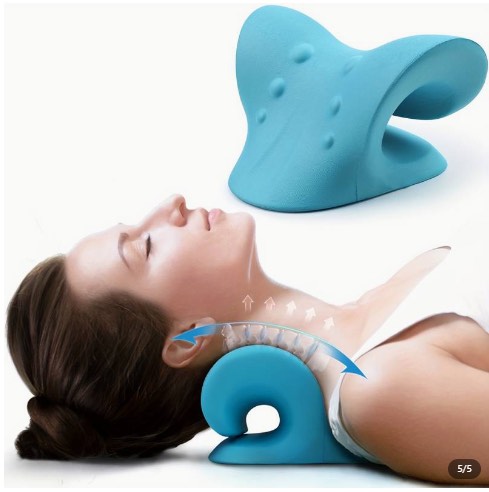
These are really popular on TikTok and Amazon and it seems to have great reviews. The only trouble is there are also some really bad reviews where people report that their condition got a lot worse.
Stretching your neck in this way can be really effective but on the wrong person it has the potential to create serious injuries. Could it help you? Maybe. Consult your spinal health professional before using this. There are other devices that are backed by rigorous scientific research. One example is a device called the “Cervical Denneroll”. Use of a cervical denneroll is preceded by an evaluation from a qualified professional that includes an x-ray of your neck and upper back. The user needs to be trained on how to use it properly, proper positioning, length of usage and how to know when to stop using it! I use the cervical denneroll in my practice.
Pro’s: It seems to help some people. Cons: It has the potential to injure you. It’s a shot in the dark.
Verdict: 👎

The Shoulder Harness 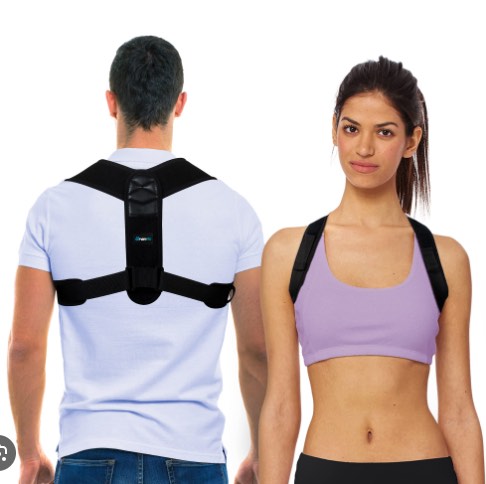
This one is kind of interesting. I can say that several of my patients have had success relieving upper back tension with the shoulder harness. How does it work? I’ll start by saying what it does not do. It doesn’t pull your shoulders back…it reminds you to pull your shoulders back.
When you sit at a desk working at a computer for long enough, your shoulders will round, your posture will slump and your head will pull forward. All of that leads to pain from your hips to the top of your neck.
If you are wearing the harness and your shoulders start to round and slump forward, your posture will create some tension in the harness and it will feel uncomfortable. Instinctively, you will respond by sitting up straight to relieve the tension in the harness. It’s as simple as that. To be clear, the harness does not pull your shoulders back, it reminds you to pull your shoulders back.
I don’t have a shoulder harness to recommend in particular, they are all pretty much the same. Check the reviews.
Verdict: 👍
The Back Cracker: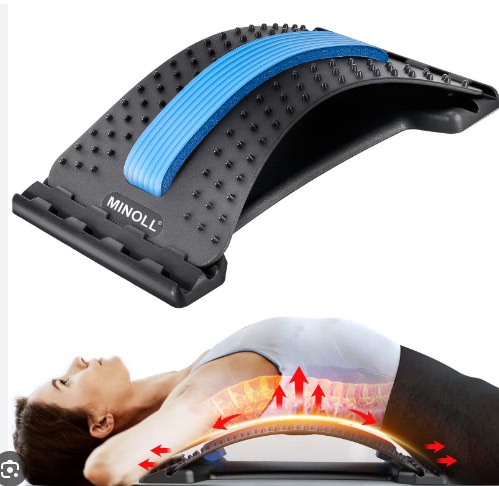
Ugh. Just don’t. It makes for great TikTok videos and Instagram reels where people lay on this device and it creates a satisfying “crack” but this contraption is nothing but trouble in my opinion.
There is one condition where it might actually be helpful but that recommendation would only come after a proper assessment with x-rays was done by someone who understands spinal biomechanics. Overall…I would say avoid this like the plague.
Pro’s: Makes a cool video. Con’s: too many to list.
Verdict: 👎👎👎👎👎
The Theracane
A great product that is really useful to help work out some of the knots and trigger points in your back, glutes, shoulders and neck. There are plenty of knock-offs on Amazon that may be just as good as the name brand.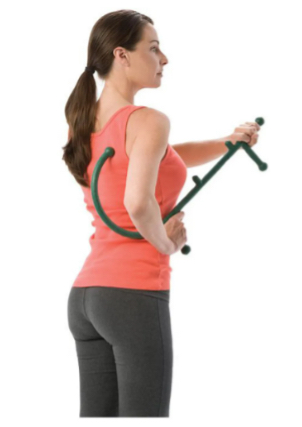
Pro’s: effective DIY tool for soft tissue irritations Con’s: It won’t actually fix a problem where the spine is at the root of the issue.
Verdict: 👍
Lotions/Potions/Essential Oils/Ice/Hot packs.
There are a ton of products on the market that provide temporary relief for pain. The key word is “temporary”. Follow all the manufacturer’s instructions for use. My favorite product when I have neck pain is Lakota. There are many subtypes and the best one in my opinion is “Lakota Arthritis” in the roll-on format. Caution: It can get really hot. Follow the instructions.
If I have a headache, I like to use peppermint essential oil. I rub it on, it helps.
Ice Vs Heat
If I have low back pain, I tend to favor ice. Icing should be done for a maximum of 15 min in the lower back and 10 minutes if you apply it to your neck. Always use a thin, moist tea towel between the ice pack and your skin. A bag of frozen peas makes a perfectly good ice pack. Should you use ice or heat? Research suggests that ice prolongs the recovery process in acute injuries like a sprained ankle but for chronic pain I use a rule of thumb. If the pain feels “fire-y” and irritable, especially at the end of the day, I will reach for the bag of frozen peas. If I’m stiff and achy – I may reach for some heat. Pro-Tip: movement beats heat any day. Stiff sore back? I walk until I’m sweaty (heat) and then I use some gentle stretches.
Arnica
Arnica is a “natural” compound and can help reduce inflammation and pain. I have never had good luck with it but some people swear by it. “Traumacare” is a popular ointment that contains arnica. You can get it at most pharmacies. The last time I saw it, it was in stock at IDA. Nutrichem also carries it.
Pro’s: Limited risk with these products. They may be helpful. Con’s: None of these solve a problem, they work to manage the symptom on a temporary basis. If you are reaching for any of these on a regular basis, you should probably set an appointment with a spinal health professional (like me 😊 ).
Verdict: 👍 and 👎
About Dr Groulx.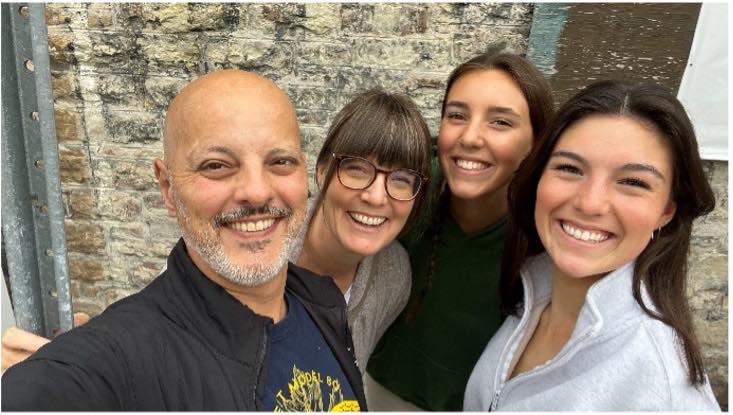
Dr G has been a Chiropractor in Ottawa for over 20 years. He got his start in health care as a Paramedic and transitioned to Search and Rescue with the Canadian Coast Guard and finally as a Registered Nurse at the Ottawa General Hospital before returning to school to become a Chiropractor.
“I love Ottawa, I love this profession and most of all, I love caring for people. If you are struggling, feel free to make an appointment with me. If I think I can help, I will tell you. If I don’t think I can, I will help you find someone who can.”
PS: Google us and check out our reviews.
Dr. Paul has an infinite array of treatments and advices, from major injuries of the spine, joints, neck, sciatica to plantar fasciitis, vertigoes(!), migraines and so on. Everything is based on his incredible knowledge of the human body. Follow his advice and never, ever, doubt his honesty. A wonder doctor! I am on his care since 2016 and free of pains. A 73 years old walker and hiker.